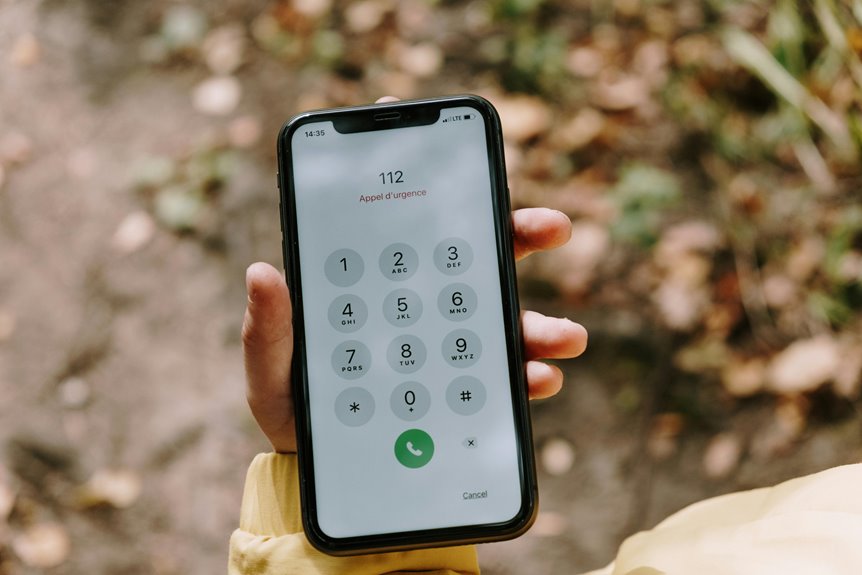
Phone Discovery Insight Stream invites scrutiny of how trusted contacts signal device reliability. The approach relies on aggregated, consent-based data rather than direct monitoring, but its interpretation remains ambiguous and potentially invasive if thresholds are poorly defined. Skeptics question the robustness of these signals and the risk of manipulation or bias. The framework aims for transparency and control, yet its real-world effectiveness hinges on independent verification and safeguards, leaving important trade-offs unresolved for now.
What Is Phone Discovery Insight Stream and Trusted Contact Signals
Phone Discovery Insight Stream combines real-time data signals related to a user’s device activity with the concept of Trusted Contact Signals to infer reliability and connectivity. It frames phone discovery as a metric, yet reliability remains contested. The approach hinges on trusted signals, not certainty, urging cautious interpretation for audiences seeking freedom and autonomy in digital environments.
How to Identify Meaningful Signals Without Invading Privacy
How can meaningful signals be identified without compromising privacy? The analysis probes signal quality through noninvasive metrics, favoring aggregated trends over individual data points. It advocates privacy by design and consent aware practices, ensuring transparency and control.
Skeptical of implicit inferences, it emphasizes verifiable safeguards, minimal data retention, and clear boundaries between signal utility and intrusion, preserving user autonomy.
Real-World Use Cases: Decisions Influenced by Trusted Contacts
Real-world use cases illustrate how trusted contacts can influence decisions across domains such as emergency response, financial transactions, and health management, while also highlighting the limits and risks of relying on social signals. In practice, trusted contacts often shape choices through alarms, confirmations, and peer cues, yet evidence remains mixed, and decision influence may obscure objective analysis, demanding critical appraisal and independent verification.
Practical Tips to Interpret Signals Responsibly and Ethically
Signals gathered from trusted contacts require careful interpretation to avoid bias or overreliance. Analysts should separate corroboration from coincidence, codify thresholds for action, and document uncertainties. Ethical practice hinges on privacy ethics and consent awareness, ensuring participants understand data use and limits. Critical review, iterative validation, and transparent methodology support freedom while guarding against manipulation or unintended harm.
Conclusion
In sum, phone discovery insight streams offer a cautious compass rather than a map. They aggregate trusted-contact signals with transparent thresholds, inviting scrutiny over certainty. Skepticism remains warranted: signals are probabilistic, context-dependent, and vulnerable to manipulation or misinterpretation. Privacy safeguards and clear consent are non-negotiables. When used, these streams should illuminate decisions without eclipsing autonomy, much like a dim beacon guiding a cautious navigator through fog—informing, not dictating, the course.