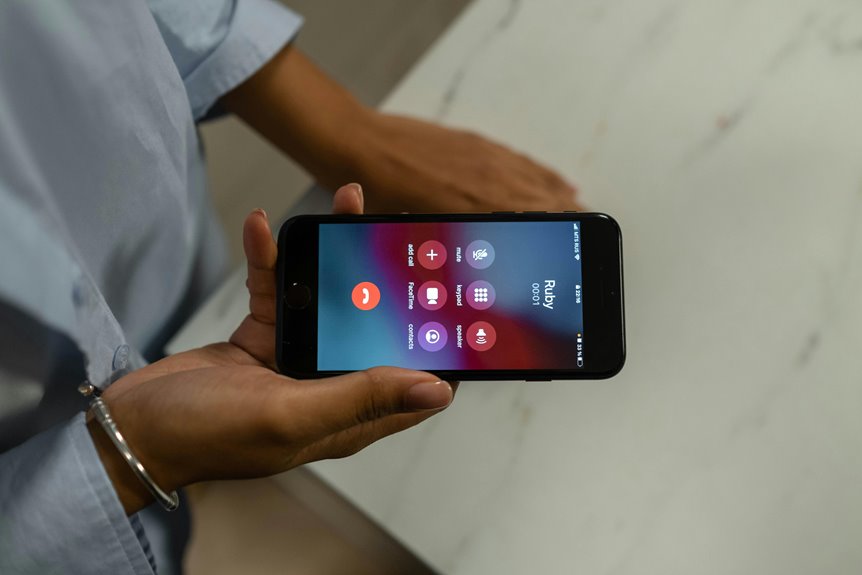
The initiative behind Caller Lookup Engine Start 888-918-3543 centers on trusted phone discovery. It emphasizes identity verification, data provenance, and real-time comparison to trusted records. Privacy by design and consent management are integral, with governance and auditable practices to support accountability. The approach aims to reduce misrouting and improve contact accuracy while maintaining data minimization. A careful balance between capability and safeguards invites careful consideration of what comes next.
What Is Trusted Phone Discovery and Why It Matters
Trusted Phone Discovery refers to the process by which a system identifies and verifies legitimate phone numbers associated with a given user or entity, enabling secure and accurate contact matching. The concept supports trusted discovery by ensuring data provenance and limiting fraud. It emphasizes identity verification as a foundational step, reducing misrouting and errors while preserving user autonomy and freedom in communications.
How Real-Time Caller Lookup Works in Practice
Real-time caller lookup processes incoming call data against verified identity records to determine who is calling and why. The system compares live signals with trusted databases, flags anomalies, and presents concise results for operator assessment. Dispute resolution mechanisms address mismatches without delaying service. Data minimization principles limit collected details, preserving user privacy while enabling accurate authentication and efficient, accountable call handling.
Privacy, Security, and Compliance in Caller Verification
Privacy, security, and regulatory compliance are foundational considerations in caller verification.
The discussion centers on balancing user autonomy with protective measures, ensuring transparent processes and auditable practices.
Effective privacy safeguards and consent management underpin trust, while robust security controls defend against intrusion.
Data minimization reduces exposure, supporting compliant handling of identifiers, metadata, and verification outcomes for a freer, more responsible communications ecosystem.
Practical Steps for Individuals and Businesses to Start Building Trustworthy Lookup Systems
Organizations and individuals can begin by defining clear goals for lookup systems, identifying which identifiers and metadata will be collected, stored, and used, and establishing baseline privacy and security requirements from the outset.
Practical steps emphasize privacy ethics, data minimization, regulatory alignment, and user consent, encouraging transparent governance, auditable practices, and ongoing risk assessment to sustain trust and freedom in trusted phone discovery initiatives.
Conclusion
Trusted Phone Discovery anchors trust by verifying identities, provenance, and real-time data against trusted records. The approach reduces misrouting and improves contact accuracy, while privacy-by-design and consent management safeguard user data. An interesting stat: organizations implementing real-time verification report up to a 25% reduction in fraudulent calls within the first quarter. As adoption grows, governance, auditable practices, and continuous risk assessments will be essential to sustain trustworthy lookup systems and protect user autonomy in communications.